
size and grade of coal used in thermal plant manufacturer Grasping strong production capability, advanced research strength and excellent service, Shanghai size and grade of coal used in thermal plant supplier create the value and bring values to all of customers.
 WhatsApp)
It is used to study the rank or quality of coal. Poor quality of coal may damage the blades of turbine and also results in reduced efficiency of the Power Plant. The analysis is carried out at Guru Hargobind Thermal Plant situated at Lehra Mohabbat, Punjab. Jharkhand is the major source of coal for the plant. II. TYPES OF COAL ANALYSIS
The ministry has strangely justified its haste to put in place rules permitting usage of low-grade coal in thermal power plants to the COVID-19 pandemic. The notification states the Ministry of Coal has represented that "in view of the existing unprecedented COVID-19 pandemic and the resultant immediate requirement of utilization of domestic ...
Of thermal coal produced in Australia, which serves as a benchmark of thermal coal prices in Asia, high-grade coal with a calorific value of 6,000 kilocalories per kilogram is currently traded at about $65 per ton, down 34% from December of last year. The price decline reflects slowing demand for coal for use in power generation.
The energy efficiency of a conventional thermal power station is defined as saleable energy produced as a percent of the heating value of the fuel consumed. A simple cycle gas turbine achieves energy conversion efficiencies from 20 to 35%. Typical coal-based power plants operating at steam pressures of 170 bar and 570 °C run at efficiency of 35 to 38 %, with state .
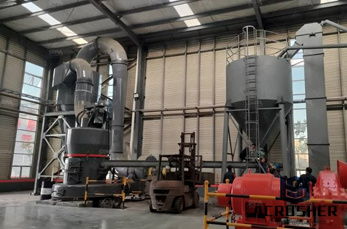
Coal normally is available to power plants in large lumps ranging from 2 mm to 50 mm size. Coal is commercially available in different sizes known as "Run of Mine," "stoker," "slack," etc. depending on their size.
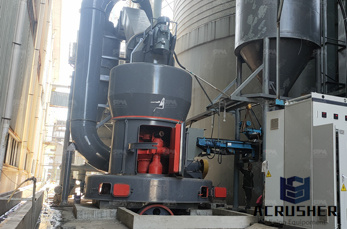
Together, they make up 52 percent of the world's coal reserves and account for a majority of the coal industry. Thermal coal, as the name implies, is used in energy generation for heating, but ...

State-run Coal India, the world's second-biggest coal miner by production, has ratcheted up output by 15.2% in the first quarter of FY19, but has failed to keep pace with the spike in demand for coal due to summer and unavailability of power from shuttered hydro and gas based plants.
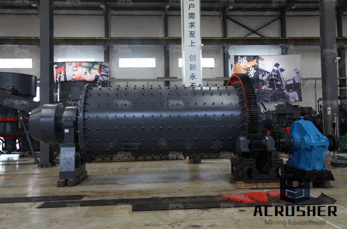
Coal Grades. The gradation of non-coking coal is based on Gross Calorific Value (GCV), the gradation of coking coal is based on ash content and for semi coking /weakly coking coal it is based on ash plus moisture content, as in vogue as per notification. Grades of Coking Coal. Grade: Ash Content:
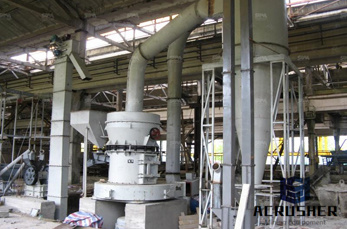
Plant Bowen, the third largest coal-fired power station in the United States. This is a list of operational coal-fired power stations in the United States. Coal-fired power stations. Name State Location Capacity Annual Generation Owner Fuel Type Retirement Ref; AES Hawaii ...
Sep 16, 2018· There are mainly three classifications of coal: Anthracite, Bituminous and Lignite. Lignite has the lowest grade of coal whereas anthracite is the highest one. Power plants generally use steam coal which is a grade between anthracite and bituminou...
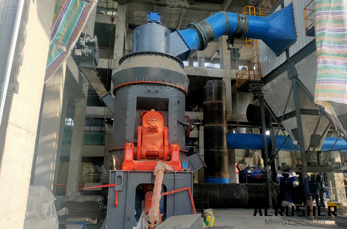
Coal Tailings are generated from the finest circuit of the washery process. This by-product of coal has a very high Calorific Value ranging between 3700 - 5300 Kcal/Kg and is widely used in retail applications such as Brick Kilns and Cokeries, Power Plants and more. The typical size of Coal .
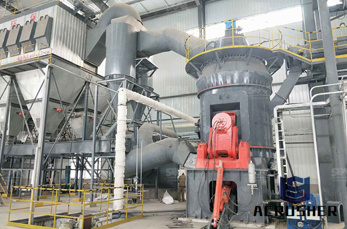
A coal-fired power station or coal power plant is a thermal power station which burns coal to generate electricity.Coal-fired power stations generate over a third of the world's electricity but cause hundreds of thousands of early deaths each year, mainly from air pollution.. A coal-fired power station is a type of fossil fuel power station.The coal is usually pulverized and then .
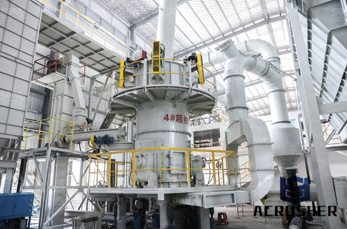
Coal is primarily used as fuel to generate electric power in the United States. The coal is burned and the heat given off is used to convert water into steam, which drives a turbine. In 2012, about 39 percent of all electricity in the United States was generated by coal-fired power plants, according to the U.S. Energy Information Administration...
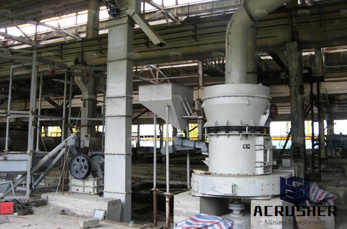
Coal blending: In case a thermal plant decides to mix more than one type of coal to achieve the desired outputs, they need to verify the combination from a coal testing lab. Before going ahead ...
The efficient combustion of coal in large power plant boilers require the proper arrangement of the burners that provide proper turbulence and mixing with the combustion air. To start the combustion, auxiliary burners and ignitors are required . This article describes the three most common burner arrangements - tangential and tilt tangential, down-firing, and wall firing - and the difference ...
26. The steam power plant efficiency can be improved by: a) Using large quantity of water b) Burning large quantity of coal c) Using high temperature and pressure of steam d) Decreasing the load on the plant Ans: c. 27. As the size of the thermal power plant increases, the capital cost per kW of installed capacity: a) Increases b) Decreases c ...
An industrial coal blend was carbonized at the ENSIDESA industrial coking plants at 1230 and 1280 °C (T1 and T2) and at the INCAR coking test plant at 1180, 1220 and 1280 °C (T3, T4 and T5), respectively. The same coal blend was also preheated at .
Characteristics of Thermal Coal used by Power Plants in Waterberg Region of South Africa Article (PDF Available) in Chemical Engineering Transactions 57:511-516 · June 2017 with 1,443 Reads
Thermal Coal Production in 2011-12 Could be even >600 MT Coal (+ middlings) use in power plant in 2006-07: ~352 MT Coal use in power plants in 2011-12 could be up to 540 MT Assuming 55% share of the total generation, by 2012, a capacity addition of 55000MW would be required from coal - fired plants
Jul 30, 2020· Metallurgical coal differs from thermal coal, used for energy and heating, by its carbon content and its caking ability. Caking refers to the coal's ability to be converted into coke, a pure form of carbon that can be used in basic oxygen furnaces. Bituminous coal—generally classified as a metallurgical grade—is harder and blacker.
Mainly used as blend-able coal in steel making, merchant coke manufacturing and other metallurgical industries; NON-COKING COAL : These are coals without coking properties. Mainly used as thermal grade coal for power generation; Also used for cement, fertilizer, glass, ceramic, paper, chemical and brick manufacturing, and for other heating purposes
CEA under the chairmanship of Member (Thermal) in May 2007 with participation from major utilities and manufacturers for developing standard technical specifications for main plant equipment for coal based thermal power plant having .
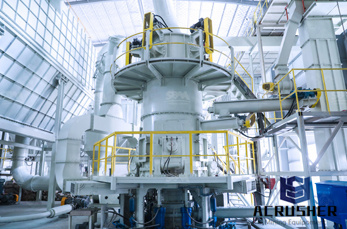
Electricity production is the primary use of coal in the United States. Most of the coal mined in the United States is transported to a power plant, crushed to a very small particle size, and burned. Heat from the burning coal is used to produce steam, .
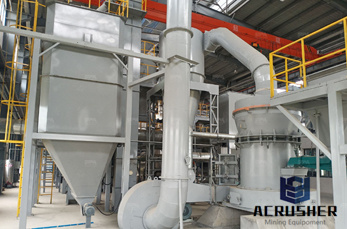
The coal particles are called coal lumps. They use E & F grade coals in India. A. Coal is transported in different ways 1) Railways 2) Ropeways 3) Roadways 4) Waterways 5) Airway The coal is transported to first crusher and the coal size is reduced to 300 mm. The coal is then transported to second crusher and the coal
WhatsApp)
 Online Chat
 Sales Hotline